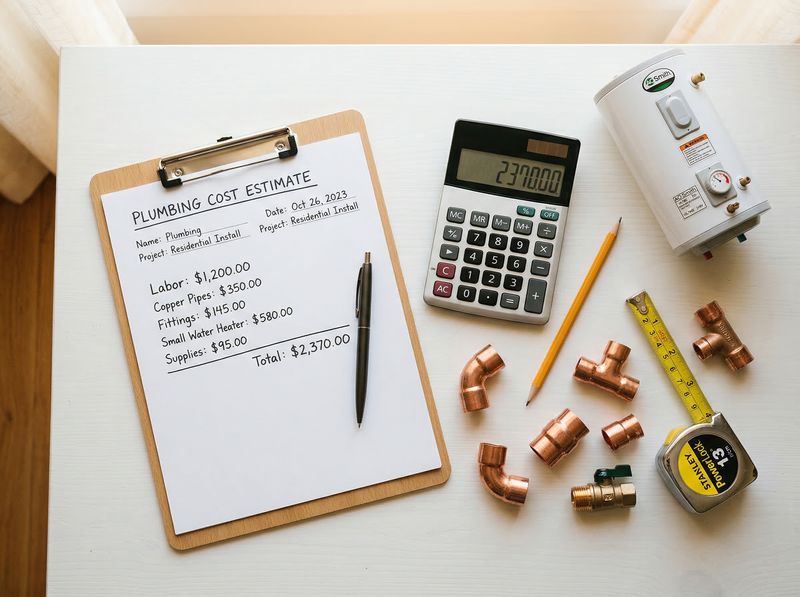
Quick Answer: Water Softener Installation Cost in Houston
In Houston, TX, water softener installation costs $900–$3,800 in 2026, with most homeowners paying around $2,000 for a standard salt-based whole-house system including equipment and professional installation. Houston's moderate water (8–12 GPG) from surface water from Lake Houston and Lake Livingston, supplemented by groundwater from the Gulf Coast Aquifer makes a water softener recommended, especially for homes with large water heaters for protecting your plumbing, appliances, and quality of life.
Why Houston Homeowners Need a Water Softener
Houston’s water hardness varies by neighborhood and source. The city draws from both surface reservoirs and groundwater wells, with hardness typically ranging 8–12 GPG. Suburbs like Katy, Sugar Land, and Pearland that rely more on well water often test higher. Houston’s large homes (many exceeding 2,500 sq ft) frequently require high-capacity systems to handle multiple bathrooms, large tank water heaters, and irrigation systems. The humid Gulf Coast climate doesn’t reduce hard water issues indoors—scale still accumulates on fixtures, shower heads, and inside water heaters.
Houston’s heat and humidity drive heavy water use for irrigation and cooling. CenterPoint Energy gas customers running large tank water heaters see measurable efficiency gains with softened water. The city’s flat terrain and clay soil make outdoor plumbing runs for softener drain lines straightforward in most installations.
Hard water at 8–12 GPG causes real, measurable problems in your home:
- Scale on fixtures and showerheads: White, crusty calcium deposits that are difficult to remove and damage finishes over time.
- Shortened water heater life: Scale insulates heating elements, forcing your water heater to work harder and fail 3–5 years earlier than expected.
- Dry skin and hair: Hard water minerals strip natural oils, leaving skin itchy and hair dull—a common complaint among Houston residents.
- Spots on dishes and glassware: Cloudy, spotted glasses straight from the dishwasher are a telltale sign of hard water.
- Stiff, dingy laundry: Minerals bind with detergent, reducing cleaning power and leaving fabrics rough and faded.
- Reduced soap efficiency: Hard water requires 50–75% more soap and shampoo to lather properly, increasing household costs.
Water Softener Installation Cost Breakdown in Houston
The following table shows 2026 installed costs for common water softener types in Houston, TX. Prices include equipment, labor, and basic materials.
| System Type | Installed Cost | Details |
|---|---|---|
| Salt-Based Whole House (Standard) | $900–$2,000 | 32,000–48,000 grain; suits 1–4 person households; most popular choice in Houston |
| Salt-Based Whole House (High-Capacity) | $1,500–$3,200 | 64,000–80,000 grain; for large homes with 4+ bathrooms or heavy water use |
| Salt-Free Conditioner / Descaler | $1,100–$2,700 | Template-assisted crystallization (TAC); reduces scale without removing minerals; lower maintenance |
| Dual-Tank System | $2,200–$3,800 | Continuous soft water during regeneration; ideal for large families or homes with irregular schedules |
| Reverse Osmosis (Drinking Water) | $300–$850 | Under-sink RO for kitchen; removes 99% of dissolved solids; often paired with whole-house softener |
| Salt Delivery Service (Annual) | $110–$280/yr | Scheduled salt delivery for salt-based systems; includes 40–50 lb bags delivered monthly or bimonthly |
| System Maintenance / Resin Replacement | $140–$400 | Annual service call or resin bed replacement (every 10–15 years); includes valve inspection |
Factors That Affect Water Softener Cost in Houston
Several factors drive the final price of a water softener installation in the greater Houston metropolitan area:
- Water hardness level: Houston's moderate water at 8–12 GPG demands a robust system. Higher hardness means larger grain capacity and more frequent regeneration, which increases both equipment and operating costs.
- System type and capacity: A basic 32,000-grain salt-based unit is the most affordable option, while dual-tank and high-capacity systems cost more but deliver uninterrupted soft water for larger households.
- Existing plumbing infrastructure: Homes with a pre-installed softener loop (common in newer Houston construction) cost less to outfit because the plumbing connections are already in place. Older homes may need new pipe runs, adding $200–$500 to the job.
- Installation location: Garage installations (the most common in Houston) are straightforward. Indoor utility closets or outdoor installations in the greater Houston metropolitan area may require additional weatherproofing or space modifications.
- Labor rates: Plumber hourly rates in Houston average $80–$130, reflecting the local cost of living and demand for licensed professionals.
- Permits and code requirements: Some jurisdictions in Texas require a plumbing permit for water softener installation. Permit fees typically run $50–$150 and may require inspection.
- Additional features: Wi-Fi-enabled control heads, whole-house sediment pre-filters, and UV disinfection add-ons increase the total cost but can be worthwhile in the greater Houston metropolitan area.
What to Expect During Installation
A professional water softener installation in Houston typically takes 2–4 hours and follows these steps:
- Water testing and system sizing: Your plumber tests your water hardness (expecting 8–12 GPG in Houston) and recommends the right grain capacity for your household.
- Main water shutoff: The water supply is shut off at the main, and the line is cut to insert the softener bypass valve.
- Equipment placement: The softener unit and brine tank are positioned near the main water entry point (usually the garage in Houston homes).
- Plumbing connections: The plumber connects the softener to the cold water main using the bypass valve, ensuring all downstream fixtures receive softened water. A drain line is run to a nearby floor drain, utility sink, or exterior drain for brine discharge during regeneration.
- Programming and startup: The electronic control head is programmed with your water hardness, household size, and preferred regeneration schedule (typically 2–3 AM to minimize disruption).
- Testing and walkthrough: The plumber runs a final hardness test on the softened water, checks for leaks, and walks you through salt loading, bypass operation, and basic maintenance.
How to Save on Water Softener Installation in Houston
- Get 3+ quotes: Pricing varies significantly between plumbing companies in the greater Houston metropolitan area. Getting at least three written quotes can save you 15–25% on the total project.
- Buy your own system: Purchasing the softener unit online or from a home improvement store and hiring a plumber for installation only can save $200–$500 compared to a full-service install.
- Check for utility rebates: City of Houston Public Works and CenterPoint Energy occasionally offer rebates for water-efficient appliances, including high-efficiency softeners. Check their websites before purchasing.
- Choose the right size—not the biggest: An oversized system wastes salt and water during regeneration. A properly sized unit for Houston's 8–12 GPG water is more economical to operate.
- Bundle with other plumbing work: If you need a water heater replacement, repiping, or other plumbing work, scheduling the softener installation at the same time often reduces the total labor cost.
- Consider a softener loop during remodels: If you're remodeling or building in Houston, adding a softener loop during construction costs a fraction of retrofitting one later.
When to Call a Professional
While some handy homeowners attempt DIY softener installation, professional installation is strongly recommended in Houston for several reasons:
- Proper sizing: An experienced Houston plumber knows the local water conditions (8–12 GPG from surface water from Lake Houston and Lake Livingston, supplemented by groundwater from the Gulf Coast Aquifer) and can recommend the exact system your home needs.
- Code compliance: Texas plumbing codes require specific backflow prevention, drain connections, and in some cases permits. A licensed plumber ensures your installation passes inspection.
- Warranty protection: Most water softener manufacturers require professional installation to honor their equipment warranty.
- Avoiding costly mistakes: Improper installation can cause leaks, water damage, low water pressure, or cross-contamination. The cost of professional installation ($80–$130/hr in Houston) is far less than repairing water damage to your home.
Ready to Install a Water Softener in Houston?
Get quotes from licensed, insured plumbers in the greater Houston metropolitan area. Compare pricing, read reviews, and choose a contractor who knows Houston's moderate water conditions.
Find Houston Water Softener InstallersFrequently Asked Questions
Should I get a salt-based or salt-free water softener in Houston?
In Houston, TX, where water hardness measures 8–12 GPG (moderate), a salt-based ion-exchange softener is generally the better choice. Salt-based systems physically remove calcium and magnesium ions, which is critical at higher hardness levels. Salt-free conditioners (also called descalers) don't actually remove minerals—they change their structure to reduce scale buildup. For Houston's moderate water from surface water from Lake Houston and Lake Livingston, supplemented by groundwater from the Gulf Coast Aquifer, a true salt-based softener will protect your pipes, water heater, and appliances far more effectively. Salt-free systems may be adequate for homes with water under 10 GPG or for homeowners who want zero maintenance.
What size water softener do I need for my Houston home?
System size depends on your household size, water hardness, and daily usage. For a typical Houston home with 8–12 GPG water, multiply your household members by 75 gallons (average daily use per person), then multiply by the GPG hardness. A family of four in Houston at 12 GPG needs roughly 3,600 grain capacity between regenerations. Most families choose a 32,000–48,000 grain system. Larger homes with 3+ bathrooms or heavy irrigation use in the greater Houston metropolitan area should consider a 64,000-grain or dual-tank system. A local plumber can test your water and recommend the right size.
How long does water softener installation take in Houston?
A standard water softener installation in Houston, TX takes 2–4 hours for an experienced plumber. The job includes shutting off the main water supply, connecting the softener to the main line (usually in the garage or utility area), running a drain line for regeneration brine, and programming the control valve. If your home already has a softener loop (common in the greater Houston metropolitan area), installation is faster—closer to 2 hours. Homes without a loop or those needing new plumbing runs may take up to 4 hours. Labor rates in Houston typically run $80–$130 per hour.
Do I need a reverse osmosis system in addition to a water softener in Houston?
A water softener handles whole-house scale prevention by removing hardness minerals, but it doesn't remove dissolved solids like chlorine, chloramine, or trace contaminants. In Houston, where water comes from surface water from Lake Houston and Lake Livingston, supplemented by groundwater from the Gulf Coast Aquifer, many homeowners add an under-sink reverse osmosis (RO) system for drinking and cooking water. An RO system costs $300–$850 installed and removes up to 99% of dissolved solids. This combination—whole-house softener plus kitchen RO—is the most popular setup in the greater Houston metropolitan area and gives you soft water throughout the home with ultra-clean drinking water at the tap.
How often does a water softener need maintenance in Houston?
Salt-based water softeners in Houston require regular salt refills (every 4–8 weeks depending on usage and your 8–12 GPG water hardness), an annual inspection of the brine tank and control valve, and resin replacement every 10–15 years. In the greater Houston metropolitan area, where moderate water puts heavy demand on resin beds, some plumbers recommend checking resin condition every 7–8 years. Annual maintenance or resin replacement costs $140–$400 in Houston. Salt delivery services run $110–$280 per year. Salt-free systems need almost no maintenance—just a media replacement every 5–7 years.